|
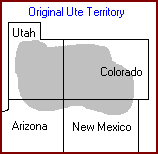
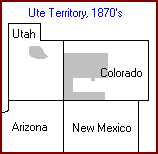
Historically, the Ute Nation roamed throughout Colorado, Utah, and northern New Mexico in a hunter-gatherer society, moving with the seasons for the best hunting and harvesting. Their dealings with the government were not to their benefit and in the late 1800's, treaties with the Untied States forced the three bands of Southern Utes into southwestern Colorado.
|
| The bands within the Ute Nation divided and today the homelands for the Weeminuche , or Ute Mountain Ute Tribe, total about 597,000 acres in southwestern Colorado, southeastern Utah, and northern New Mexico. The White Mesa community of the Tribe lives in Utah, where most of the housing is on tribal lands. The majority of lands there are allotted to tribal members and are laid out in a checkerboard design. |
| The tribal lands are on what's known as the Colorado Plateau, a high desert area with deep canyons carved through the mesas. This is a harsh land and there are no cities to provide services for the tribe. So the tribe must be self-sufficient by looking for other means of implementing progress and creating successful enterprises to serve the needs of the tribal members as well as create a healthy economy in which to live. The natural resources of the land provide the tribe income. These resources include oil and gas, grazing land for herds of tribal members, and land and water for the new Farm & Ranch project south of the Sleeping Ute Mountain. |
| After over 100 years of no water, the Colorado Ute Water Settlement Act of 1988 brought an end to years of legal battles for the tribe's water rights. Under that agreement, the Ute Mountain Ute Tribe brought the first piped drinking water to the reservation and irrigation water the the Farm & Ranch project. This project was mandated within the Dolores Project (McPhee Dam). |
| Today the tribe employs over 900 people in its enterprises and departmental programs. These employees include tribal members, other Native Americans, and Anglos, thus making the tribe the second largest employer in the Four Corners area. |
| The per capita enrollment for the Ute Mountain Ute Tribe is 1,968, as of January, 1999. The majority of the members live on the reservation in Towaoc with a smaller in the White Mesa community. The tribal census shows the largest part of the membership is in the twenties and younger age group. |
| Because the Ute tribe is so young, the members must be ready to take up the reins of leadership for the future of the tribe. As the tribal membership grows, the planning for the 21st century has to be done with care to enable the tribe to grow economically with the times, but retain and preserve the culture and ways of the Ute Mountain Ute Tribe. The achievements, goals, and objectives of the tribe for the future will be carried out by the strong wills of the future leaders. |
|
